Sunday, December 06, 2009

Strobist

More photography blogging, this one based around strobist blogs and websites. The term strobist generally refers to using shoe-mount flashes, which were designed to be used on-camera, from off the camera, sometimes using more than one.

Here's a post from the original Strobist, David Hobby, who has popularized the concept. He has a lot of great info, and this post describes how to construct your own DIY $10 Macro Photo Studio, so you can take cool pics like this:

Thursday, November 12, 2009

Photography Blogs

Sometimes while following internet breadcrumbs I stumble across websites that are truly a cut above, or have some other outstanding element. Then, later, when I want to revisit them I have NO IDEA where they are or how I got there in the first place. This blog entry is for photography sites like that. They all have something to offer that I would like to come back to view again.

Mark Eric is a fantastic photographer who seems to specialize in wedding photography. Great examples of shots here, as well as some equipment reviews such as the Cheetah stands which he uses.

Here's a photographer who seems to be local to me, J. Perez Imagery. Nice examples of his work, including wedding and portraiture.

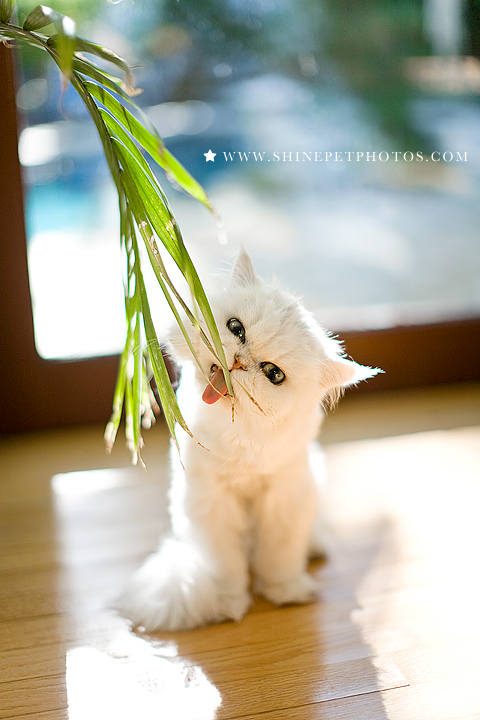
Check THIS out! It's a pet photographer!! Amazing shots of our furry friends from the Shine Pet Photos blog (she also has a Flickr stream). Enjoy :)

Tuesday, November 10, 2009

Photoshop Tutorial of the Day: Background Blur

Here are 3 tutorials of varying levels of difficulty and sophistication for adding blur to the background of an image.

The original image (from the author's blog - not mine):


After applying blur to the background:

DIY RPCube

Here's an interesting an informative link on how to make your own RPCube, a little device which will allow a shoe-mount flash capable of variable power to be controlled via the RadioPoppers wireless flash controllers (non-photographers are hearing blah blah blah right about now).


There are more pictures of the wiring for this on this other website as well as some other tutorials, notably one which shows how to add a potentiometer to a non-adjustable flash, allowing infinite adjustment of it's light output through the entire range. Cool, huh?!